Author: Editor
-
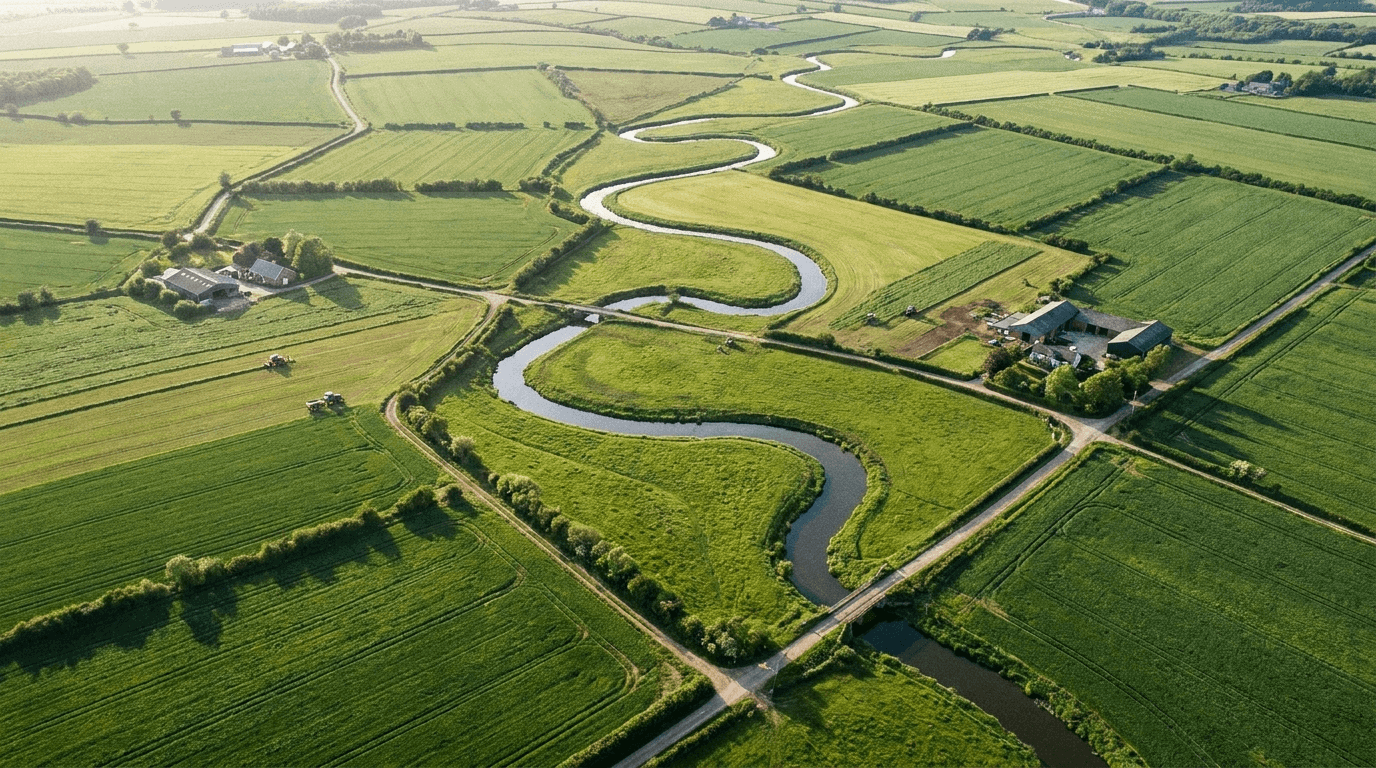
Most people think about their water supply as something that starts at a treatment plant or a well. It does not. It starts miles away. On a hillside, a farm field, a parking lot, or a forest floor. Long before water reaches a pipe it has traveled through a watershed, picking up whatever was on…
-
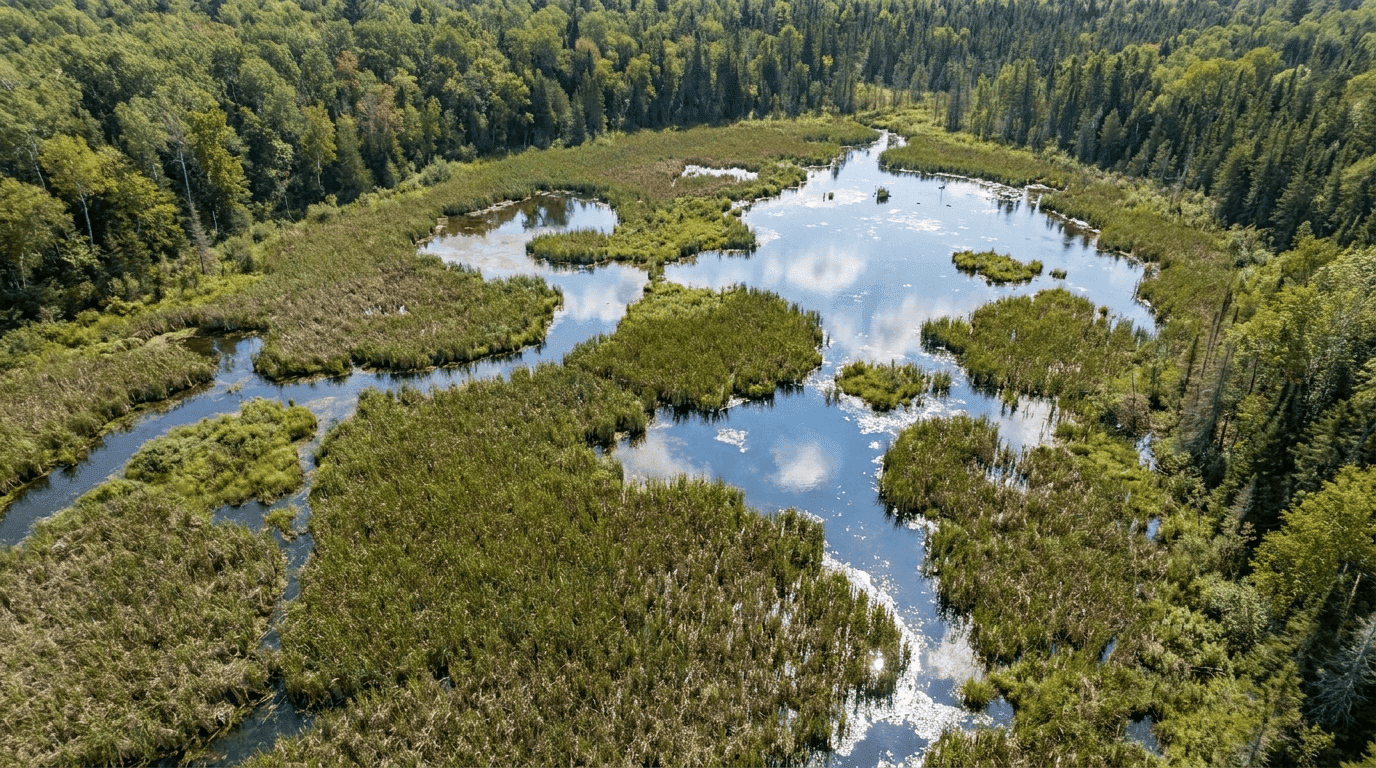
Wetlands do not look impressive. A marshy stretch of land along a river. A low-lying area that stays soggy after rain. A pond surrounded by cattails and reeds. They look like nothing in particular. But wetlands are among the most productive and valuable ecosystems on the planet. And they are disappearing faster than almost any…
-
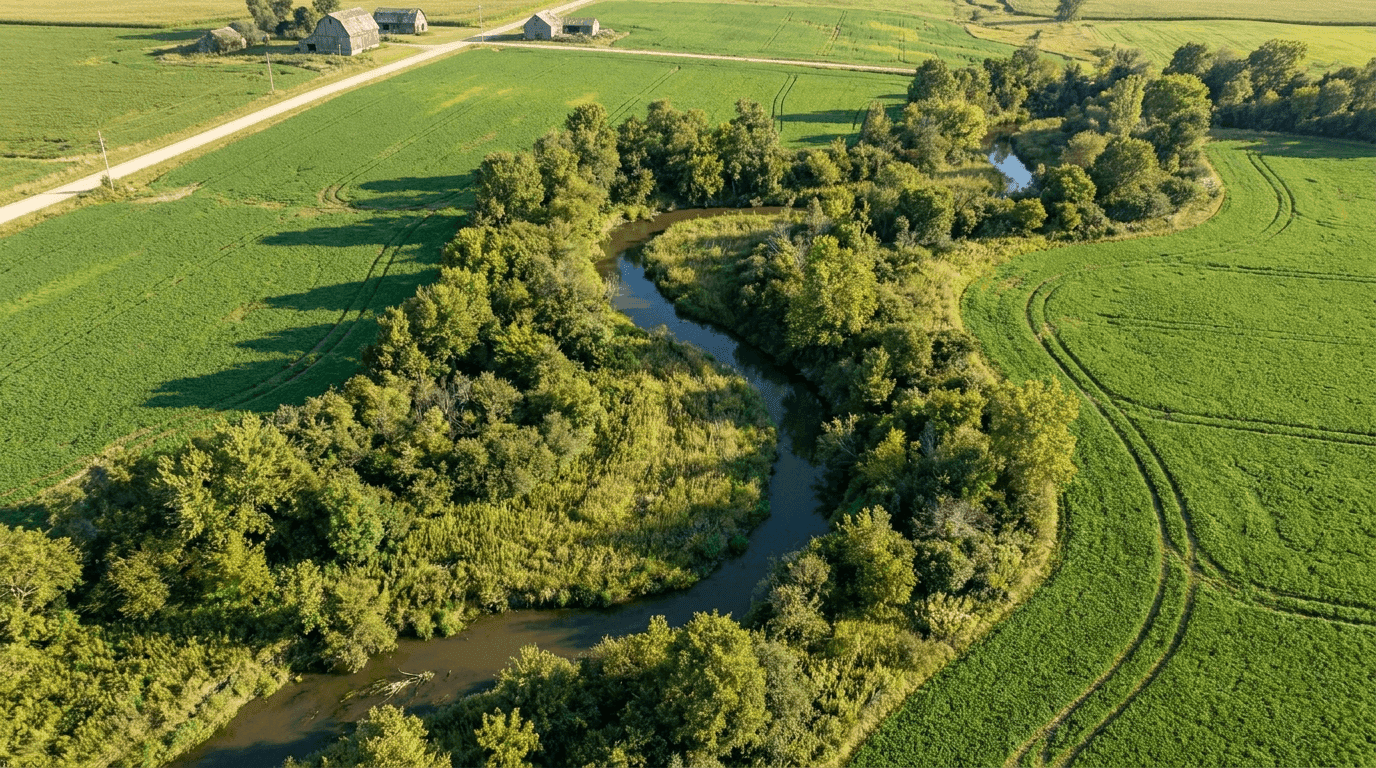
Practical, actionable, connects everyday land use choices by farmers, homeowners, and local governments to downstream water quality outcomes. Covers best management practices, riparian buffers, cover crops, and green infrastructure. Forward-looking rather than problem-focused. Drafting now. Mobile-first, short paragraphs, table, bullets, no em dashes, no AI tells. How Land Use Decisions Shape Water Quality Downstream Every…
-
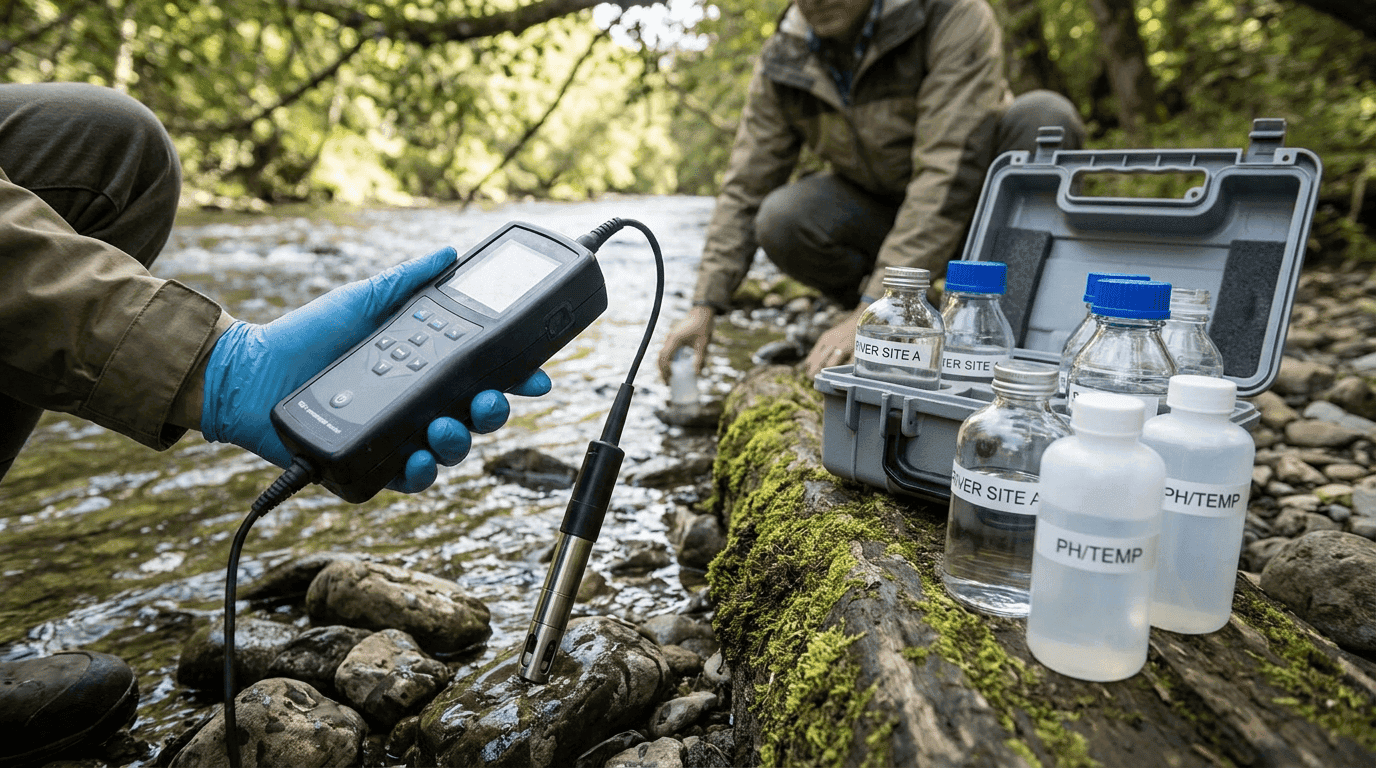
Connects watershed contamination sources directly to what ends up at the residential tap. Practical, educational, naturally bridges conservation content to residential water quality concerns. No overlap with the Watershed Basics article since that covers how water moves through the landscape. This one covers what contaminants enter the system and why they matter for drinking water.…
-
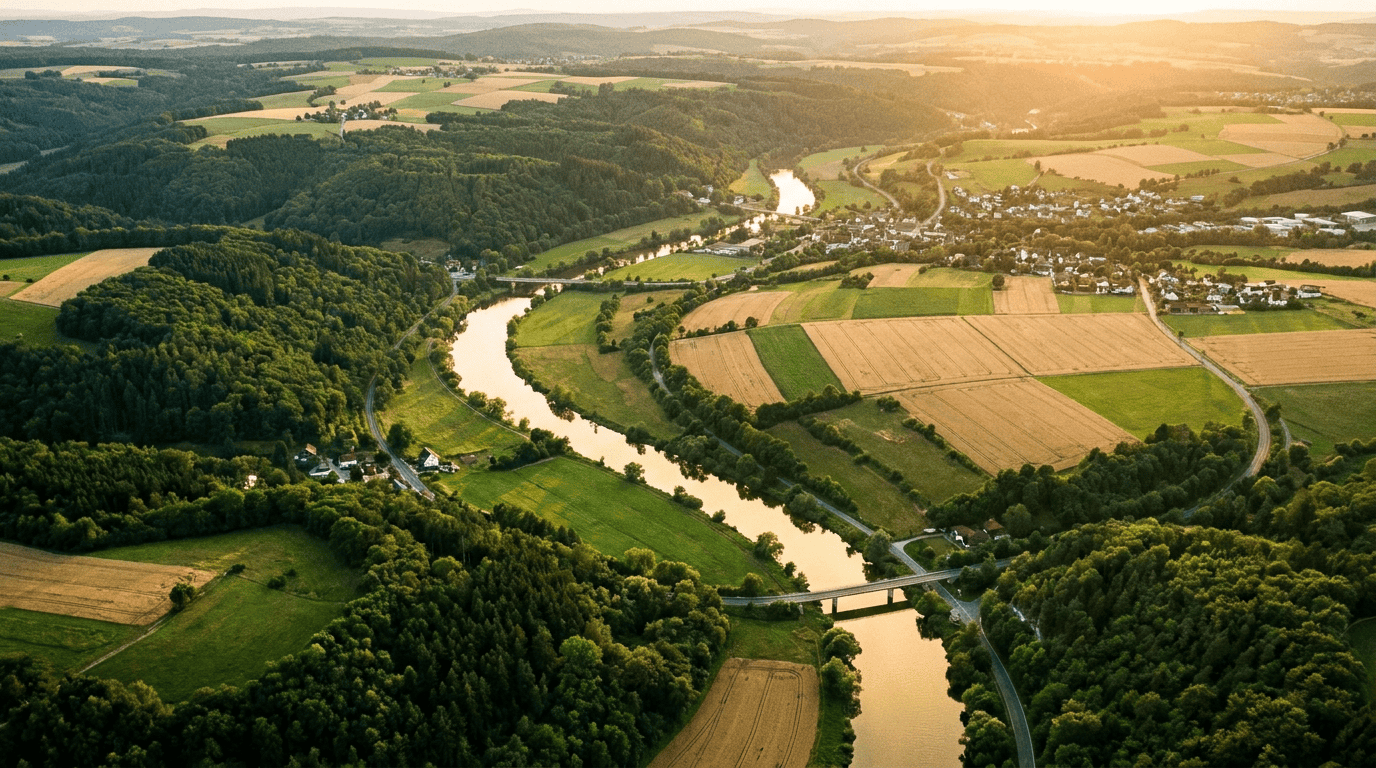
A watershed is not a place you can visit. It is not marked on most maps. But every time it rains, you are standing in one. A watershed is the area of land that drains to a common point. A lake, a river, a wetland, or an ocean. Everything within that boundary channels water downhill…
-
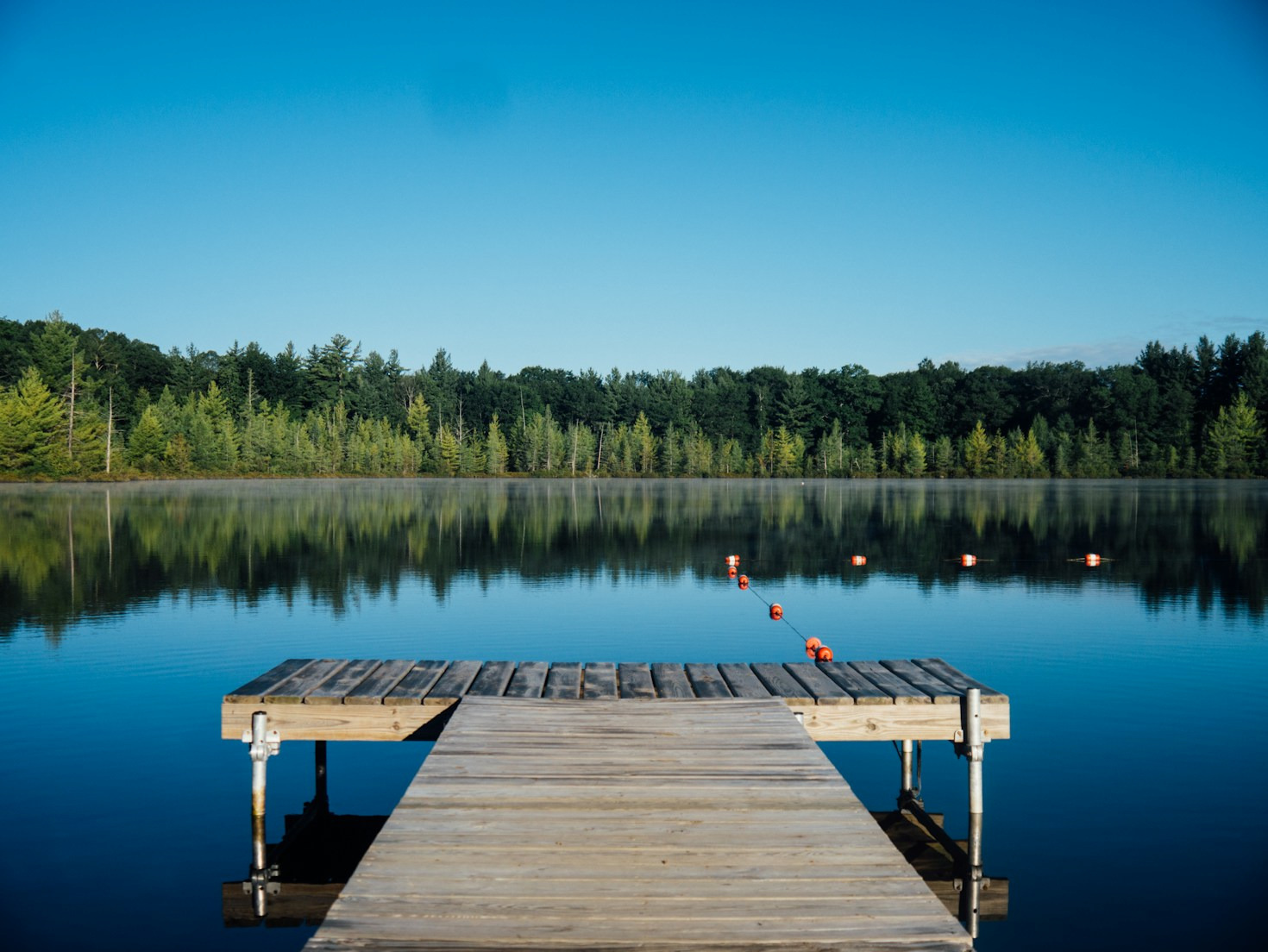
Local water problems rarely come from one source. A lake with algae, a stream with muddy banks, or a well with changing water quality often reflects what is happening across the surrounding watershed. Rainfall, soil type, roads, lawns, farms, wetlands, septic systems, and storm drains all influence how water moves through a community before it…
-
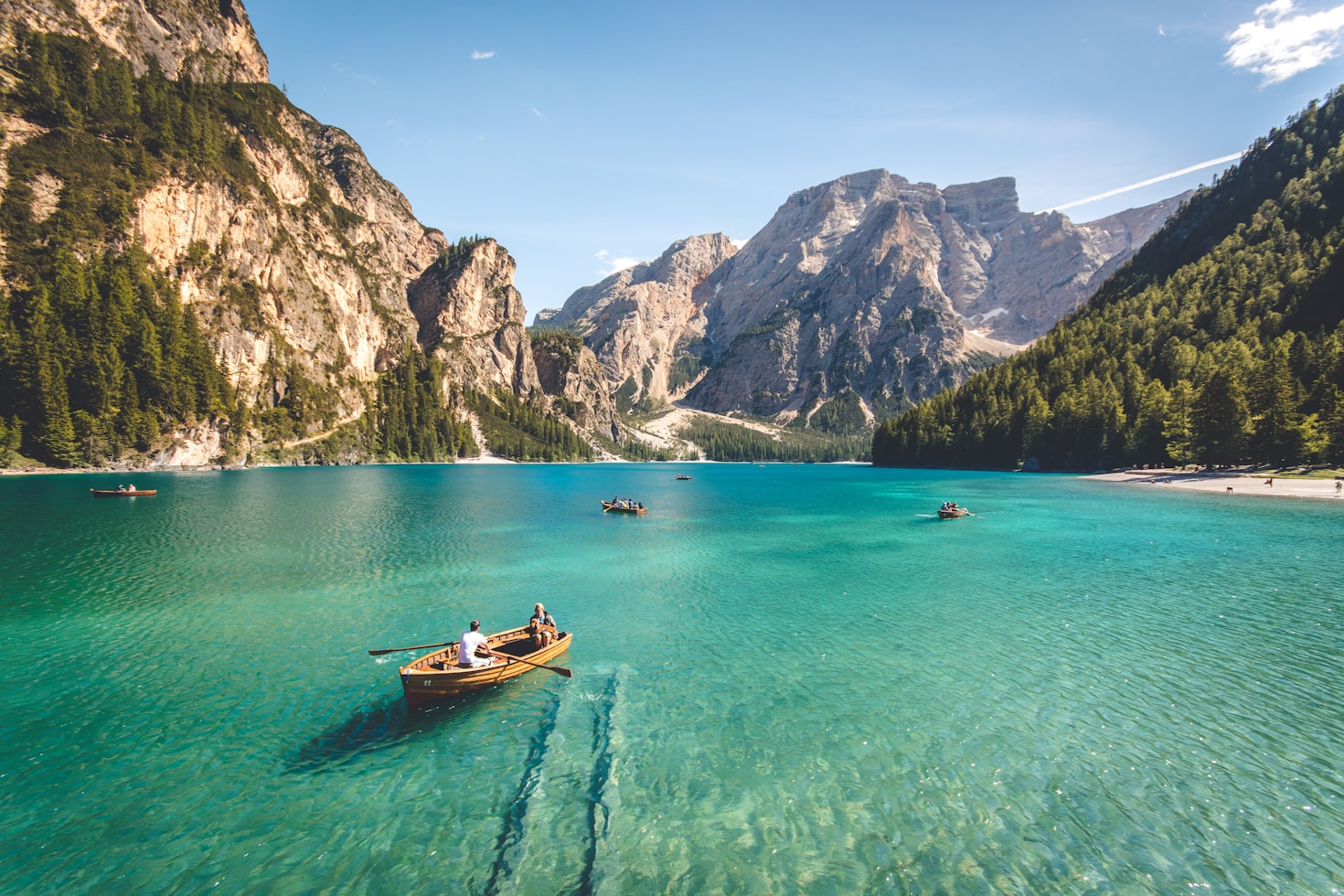
Freshwater is one of the most important resources on the planet, but it is also one of the easiest to take for granted. Rivers, lakes, wetlands, aquifers, and streams support drinking water, food production, wildlife, recreation, and local economies. When these systems are polluted, drained, overused, or poorly managed, the effects reach far beyond the…
-
A watershed is the land area where rainfall, snowmelt, streams, wetlands, and groundwater all drain toward a shared outlet, such as a river, lake, or larger basin. Every neighborhood, farm, forest, road, and shoreline sits inside one. Understanding how a watershed works helps explain why land use upstream can affect water quality, flooding, habitat, and…
-
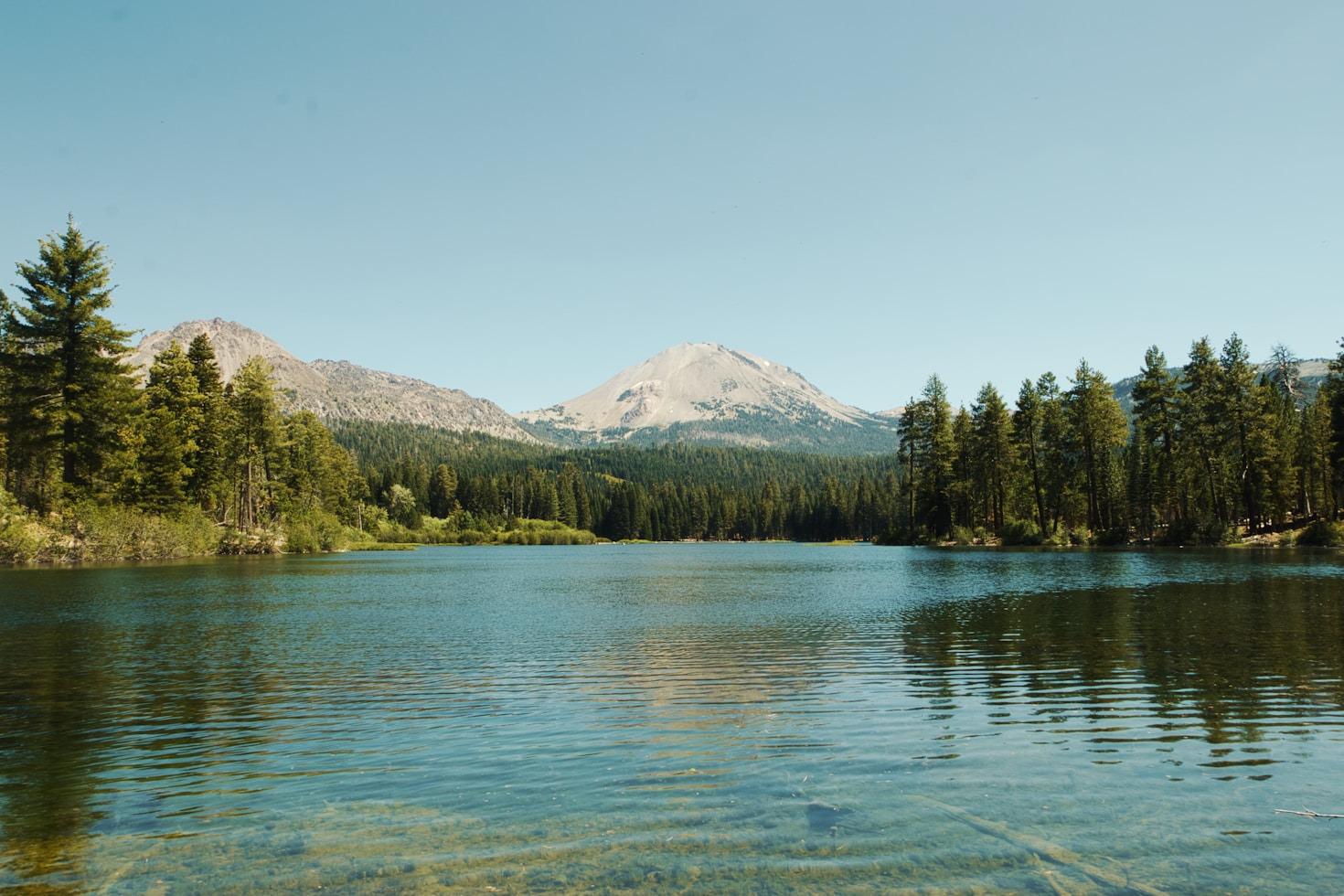
Water resources are affected by much more than what happens at the shoreline. Pollution, runoff, overuse, land development, aging infrastructure, and changing weather patterns can all place stress on rivers, lakes, wetlands, aquifers, and drinking water supplies. Understanding these threats is the first step toward protecting local water before small problems become long-term damage. Water…
-
Homeowners have more influence on local water quality than most people realize. Rain that falls on roofs, driveways, lawns, gardens, and patios often drains toward storm sewers, ditches, streams, wetlands, and lakes. What that water picks up along the way can affect the health of the entire watershed. Protecting clean water starts with small choices…