
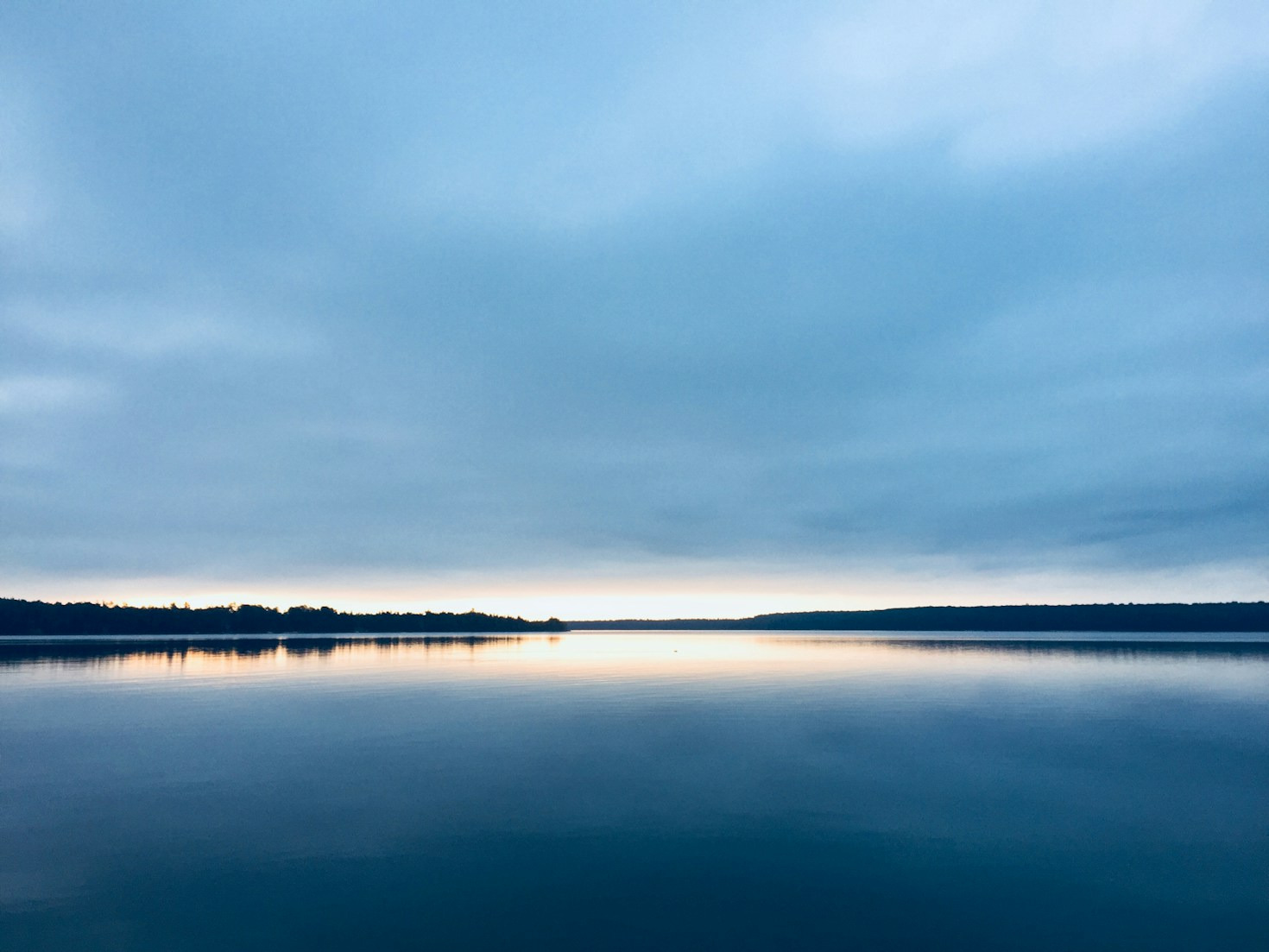
Watersheds are the natural connection between land, water, plants, animals, and people. A watershed collects rainfall and snowmelt, moves water through soil, wetlands, streams, and rivers, and supports the habitats that many species depend on. When a watershed is healthy, it helps filter pollutants, reduce flooding, recharge groundwater, and keep ecosystems more stable.
A healthy ecosystem starts with a healthy watershed. The condition of the land directly shapes the quality of the water and the life it supports.
Watersheds support ecosystems by moving water, nutrients, and organic matter through the landscape. Forests, wetlands, grasslands, shorelines, and stream corridors all play a role. Wetlands store water and provide habitat for birds, amphibians, fish, insects, and native plants. Streambanks shaded by trees help keep water cooler for aquatic life. Native vegetation holds soil in place and reduces the amount of sediment washing into lakes and rivers.
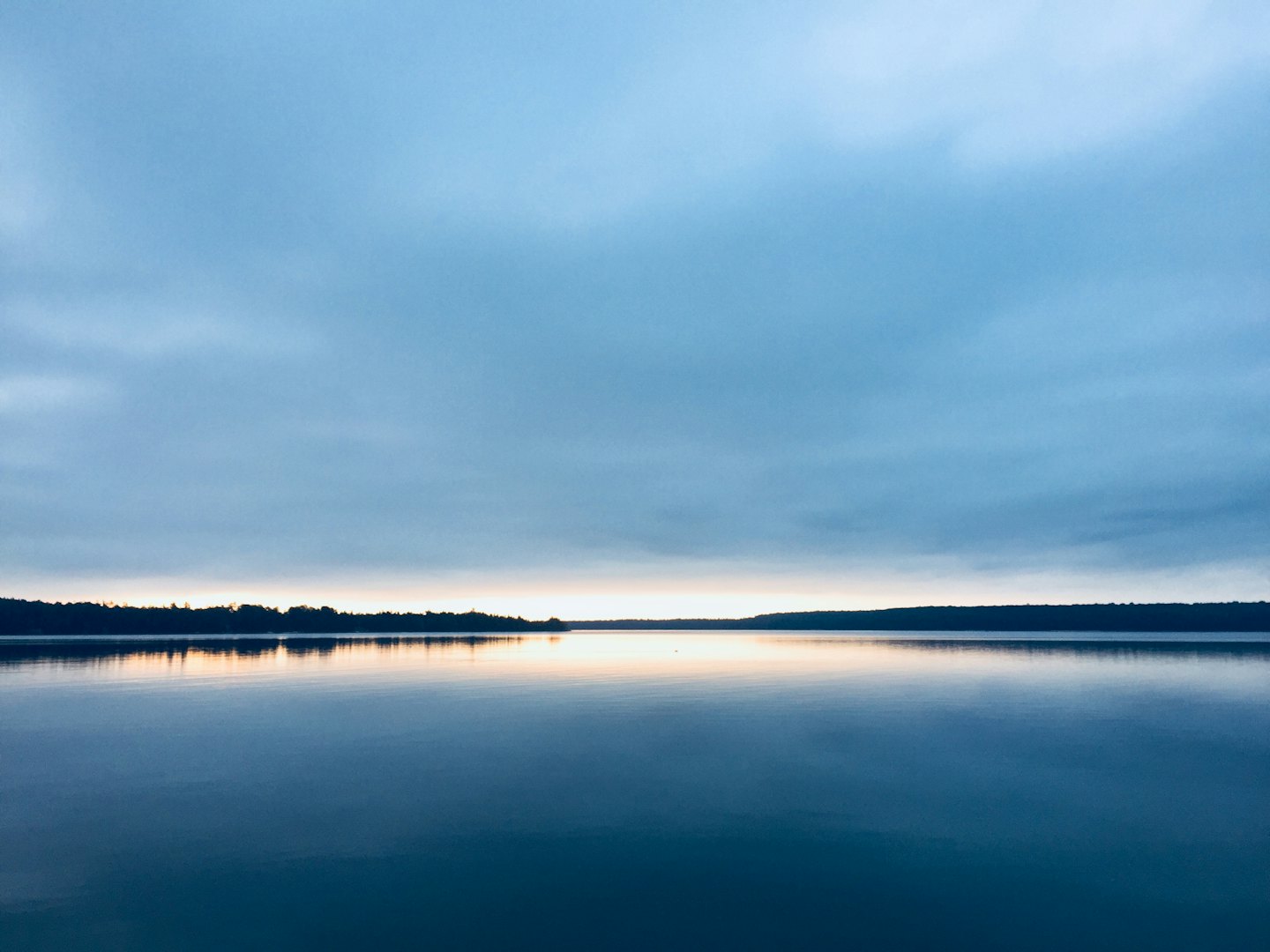
When watersheds are damaged, ecosystems feel the effects quickly. Polluted runoff can carry fertilizer, sediment, road salt, bacteria, and chemicals into nearby water. Wetland loss can reduce flood storage and remove important breeding habitat. Erosion can cloud streams and bury fish spawning areas. Even small changes across a watershed can build over time, especially when development, agriculture, drainage, and shoreline changes happen without enough protection for natural water systems.
Watersheds Keep Natural Systems Connected
Protecting watersheds helps protect the larger ecosystem. Clean water, healthy soil, stable streambanks, native plants, wetlands, and groundwater recharge are all connected. When communities preserve these natural functions, they support fish, wildlife, recreation, drinking water, and long-term environmental resilience. A watershed is not just a drainage area — it is the foundation that holds the ecosystem together.
Leave a Reply