
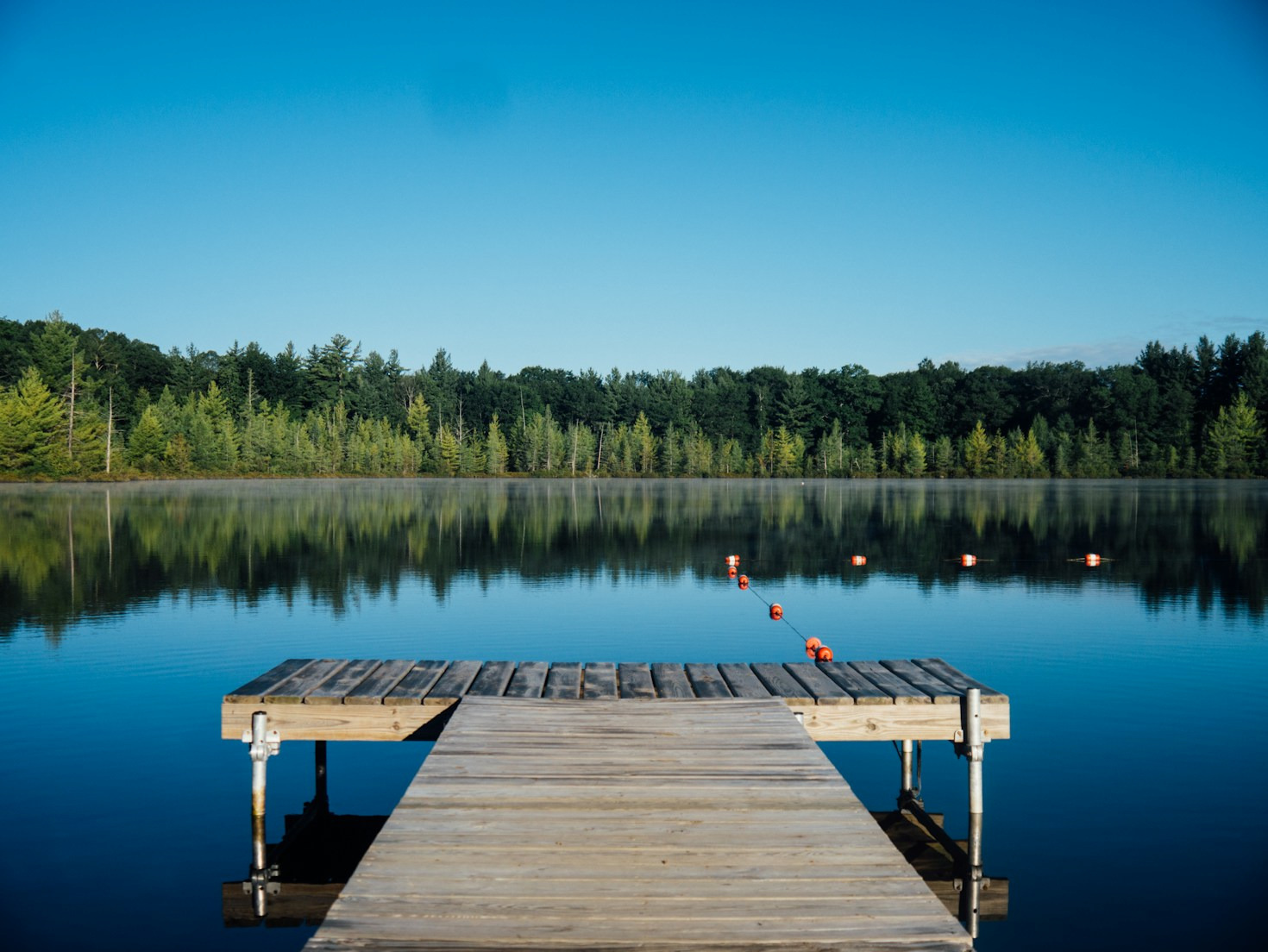
Local water problems rarely come from one source. A lake with algae, a stream with muddy banks, or a well with changing water quality often reflects what is happening across the surrounding watershed. Rainfall, soil type, roads, lawns, farms, wetlands, septic systems, and storm drains all influence how water moves through a community before it reaches rivers, lakes, and groundwater.
Clean water starts upstream. The choices made on land eventually show up in the water people drink, fish, paddle, and depend on.
In Minnesota, these challenges can look different from one region to another. Agricultural areas may deal with nutrients, sediment, and drainage concerns. Growing suburbs often face stormwater runoff from roofs, driveways, roads, and compacted lawns. Lake communities may see shoreline erosion, invasive plants, or seasonal algae blooms. Rural properties may also rely on private wells, where water quality can be affected by geology, land use, and nearby contamination sources.

The most effective solutions usually begin with understanding the source of the problem. Restoring a wetland, planting a shoreline buffer, improving stormwater control, testing private well water, or reducing fertilizer runoff all address different parts of the same system. Watershed planning helps connect these actions so communities are not just reacting to symptoms, but protecting the water at its source.
Key Takeaways for Local Water Protection
Water quality is shaped by everyday land-use decisions. Protecting Minnesota’s rivers, lakes, wetlands, and groundwater means looking beyond the water itself and paying attention to what happens across the surrounding landscape. When homeowners, landowners, local officials, and conservation groups understand how runoff and drainage work, they can make better choices that support cleaner water over time.
Leave a Reply