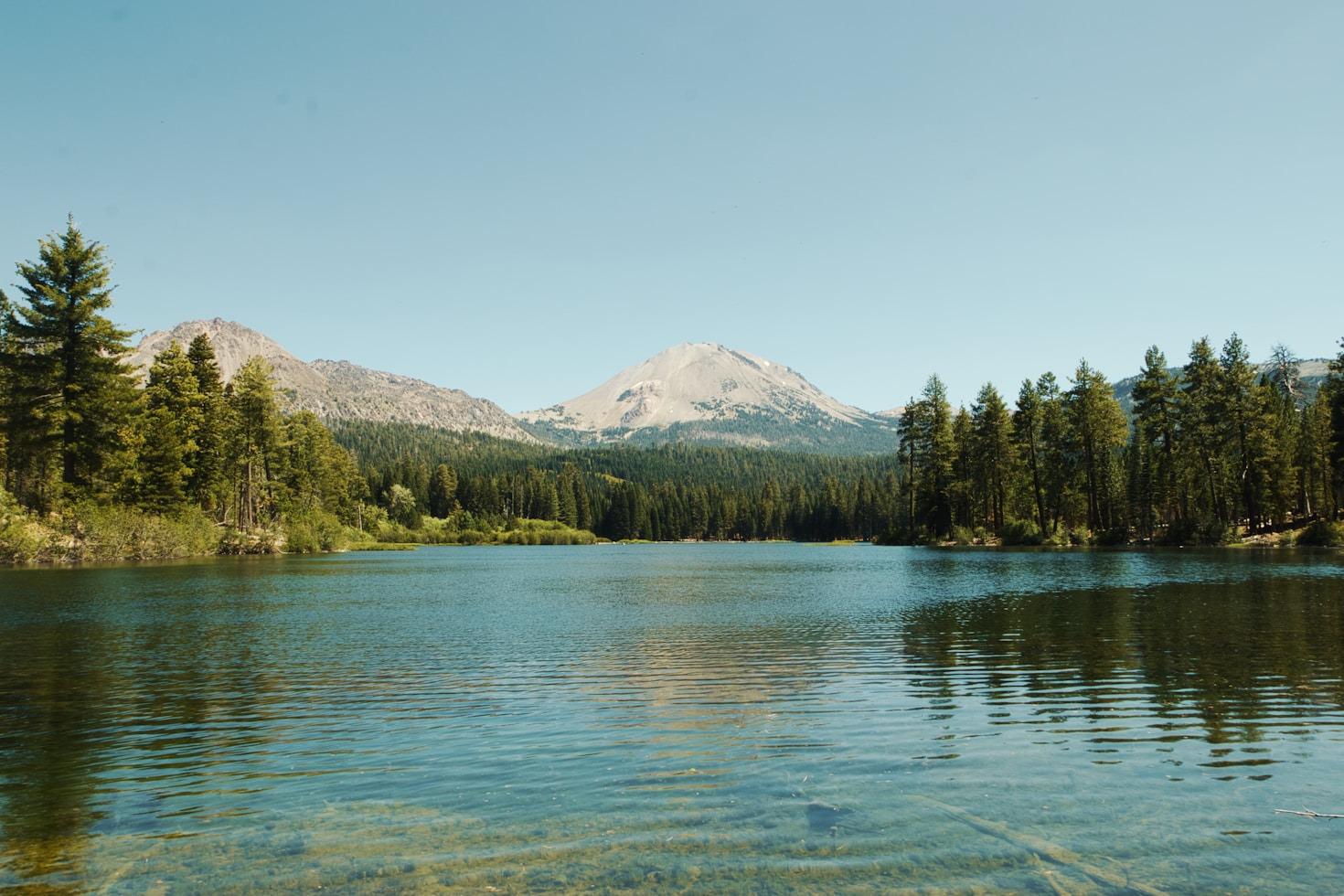
Water resources are affected by much more than what happens at the shoreline. Pollution, runoff, overuse, land development, aging infrastructure, and changing weather patterns can all place stress on rivers, lakes, wetlands, aquifers, and drinking water supplies. Understanding these threats is the first step toward protecting local water before small problems become long-term damage.
Water problems usually begin on land. What washes off roads, lawns, fields, and construction sites often ends up in the streams, lakes, and groundwater nearby.
One of the most common threats is polluted runoff. When rain or snowmelt moves across pavement, compacted soil, farm fields, and lawns, it can carry sediment, fertilizer, pesticides, road salt, bacteria, oil, and other contaminants into nearby water bodies. Unlike a single pipe discharge, runoff is spread across the landscape, which makes it harder to trace and harder to control without good watershed planning.
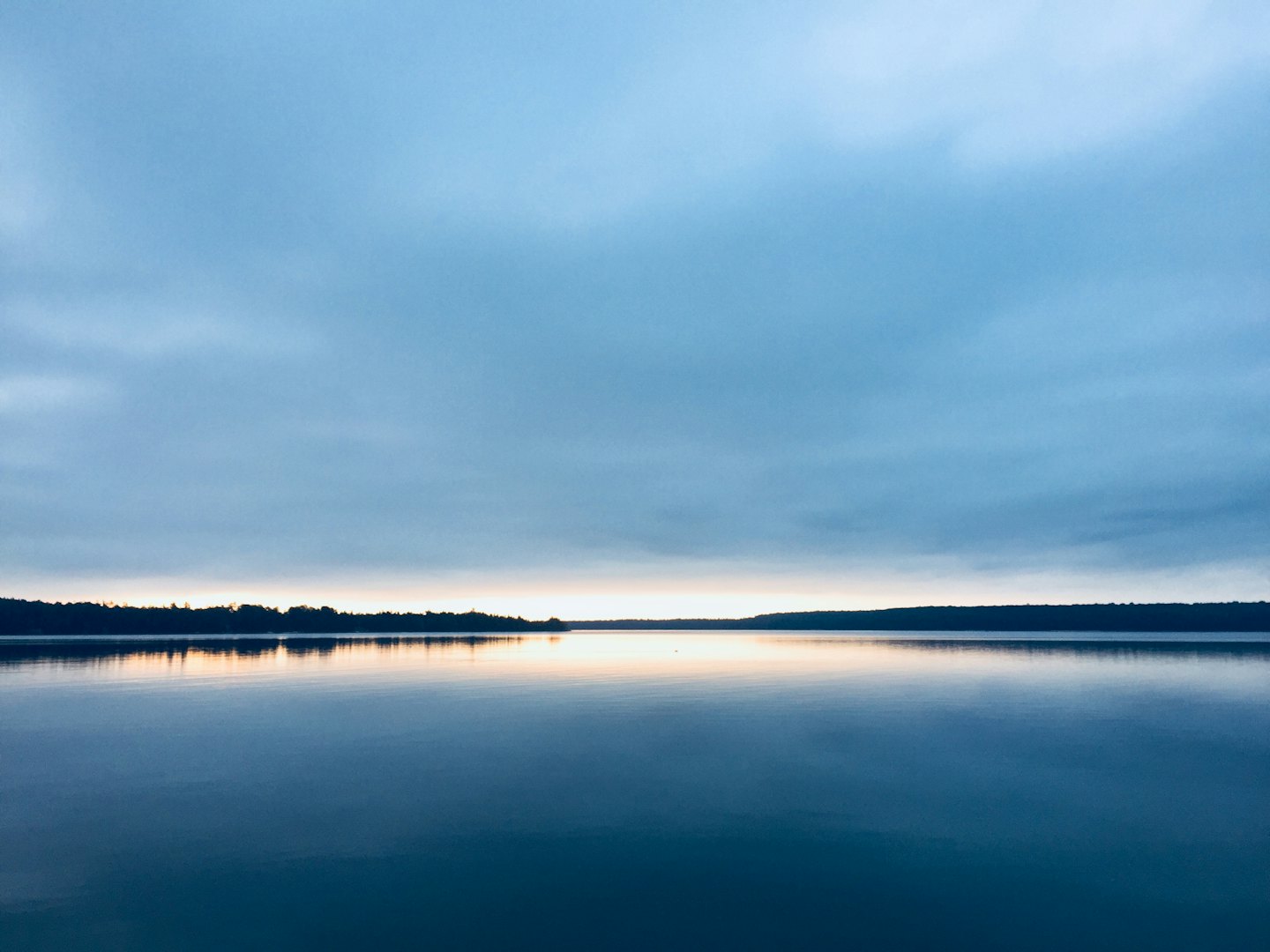
Other threats build more slowly. Wetland loss can reduce natural flood storage and filtration. Shoreline erosion can send soil and nutrients into lakes. Excess groundwater pumping can lower water tables or reduce streamflow. Contaminants such as PFAS, nitrates, chloride, and bacteria may also affect drinking water sources depending on local geology, land use, and infrastructure. Each issue has a different cause, but they are often connected through the same watershed.
Protecting Water Starts with Understanding the Source
The most effective water protection efforts focus on prevention, not just cleanup. Reducing runoff, protecting wetlands, maintaining septic systems, improving stormwater controls, testing private wells, and limiting unnecessary chemical use can all reduce pressure on local water resources. When communities understand where threats come from, they can make better decisions that protect freshwater for people, wildlife, and future generations.
Leave a Reply