
Homeowners have more influence on local water quality than most people realize. Rain that falls on roofs, driveways, lawns, gardens, and patios often drains toward storm sewers, ditches, streams, wetlands, and lakes. What that water picks up along the way can affect the health of the entire watershed.
Protecting clean water starts with small choices at home. A yard, driveway, septic system, or shoreline can either add to runoff problems or help reduce them.
One of the simplest ways to help is to reduce polluted runoff. Use fertilizer carefully, keep leaves and grass clippings out of storm drains, pick up pet waste, and avoid washing oil, paint, chemicals, or yard debris into the street. Native plants, rain gardens, trees, and healthy soil can also help slow water down, allowing more rainfall to soak into the ground instead of rushing into nearby waterways.
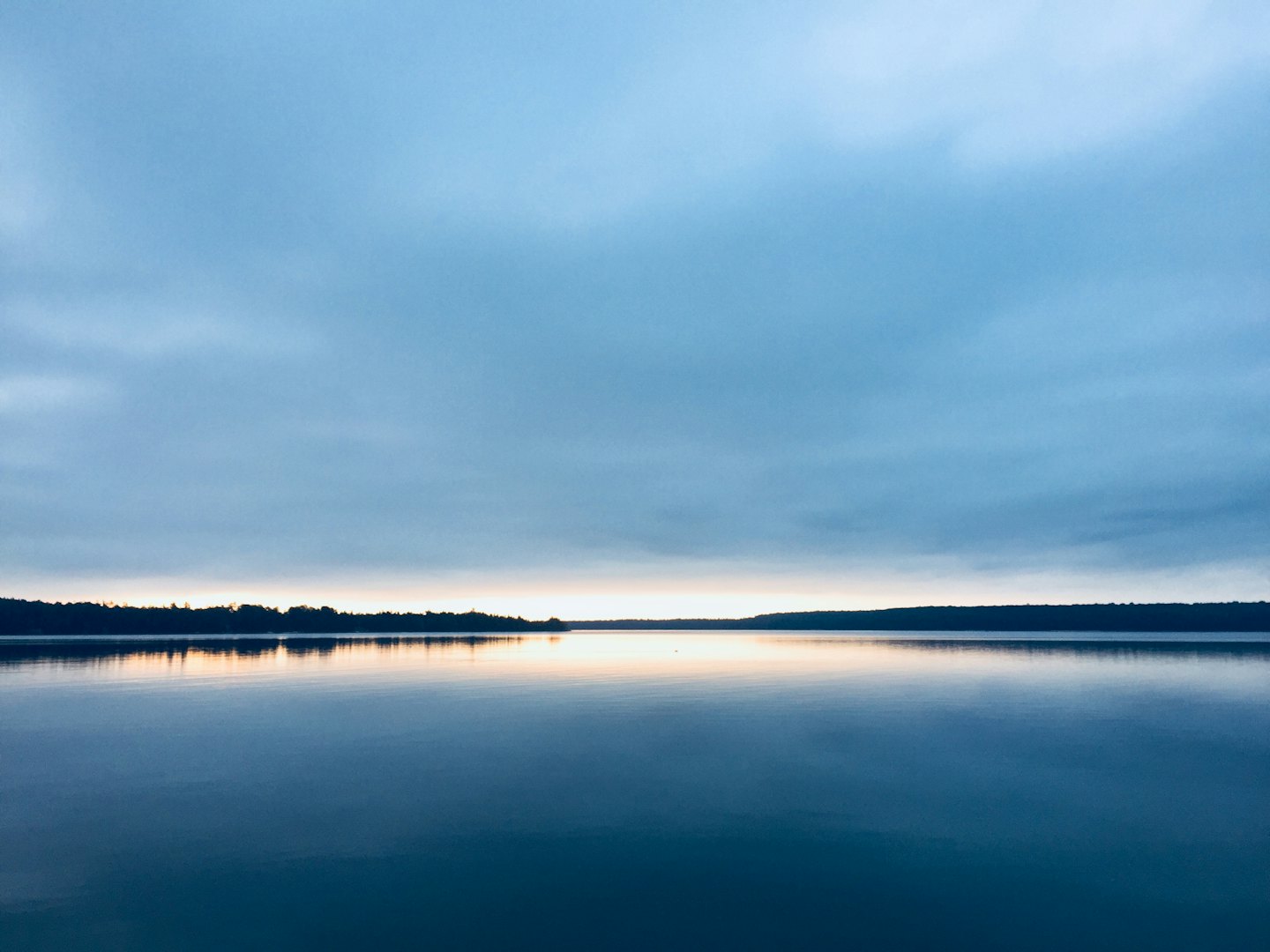

Homeowners with private wells or septic systems have additional responsibilities. Well water should be tested regularly for common concerns such as bacteria, nitrate, arsenic, and other local contaminants. Septic systems should be inspected and maintained before they fail, because leaking or overloaded systems can release nutrients and bacteria into groundwater and nearby surface water. Shoreline property owners can also protect water by maintaining natural vegetation near the water’s edge instead of mowing directly to the bank.
Small Property Choices Add Up
No single homeowner can solve every water quality problem, but many small actions across a watershed can make a real difference. Reducing runoff, limiting chemical use, protecting soil, maintaining septic systems, planting native vegetation, and testing private wells all help protect rivers, lakes, wetlands, and groundwater. Clean water is easier to preserve when everyday property decisions support the larger watershed.
Leave a Reply