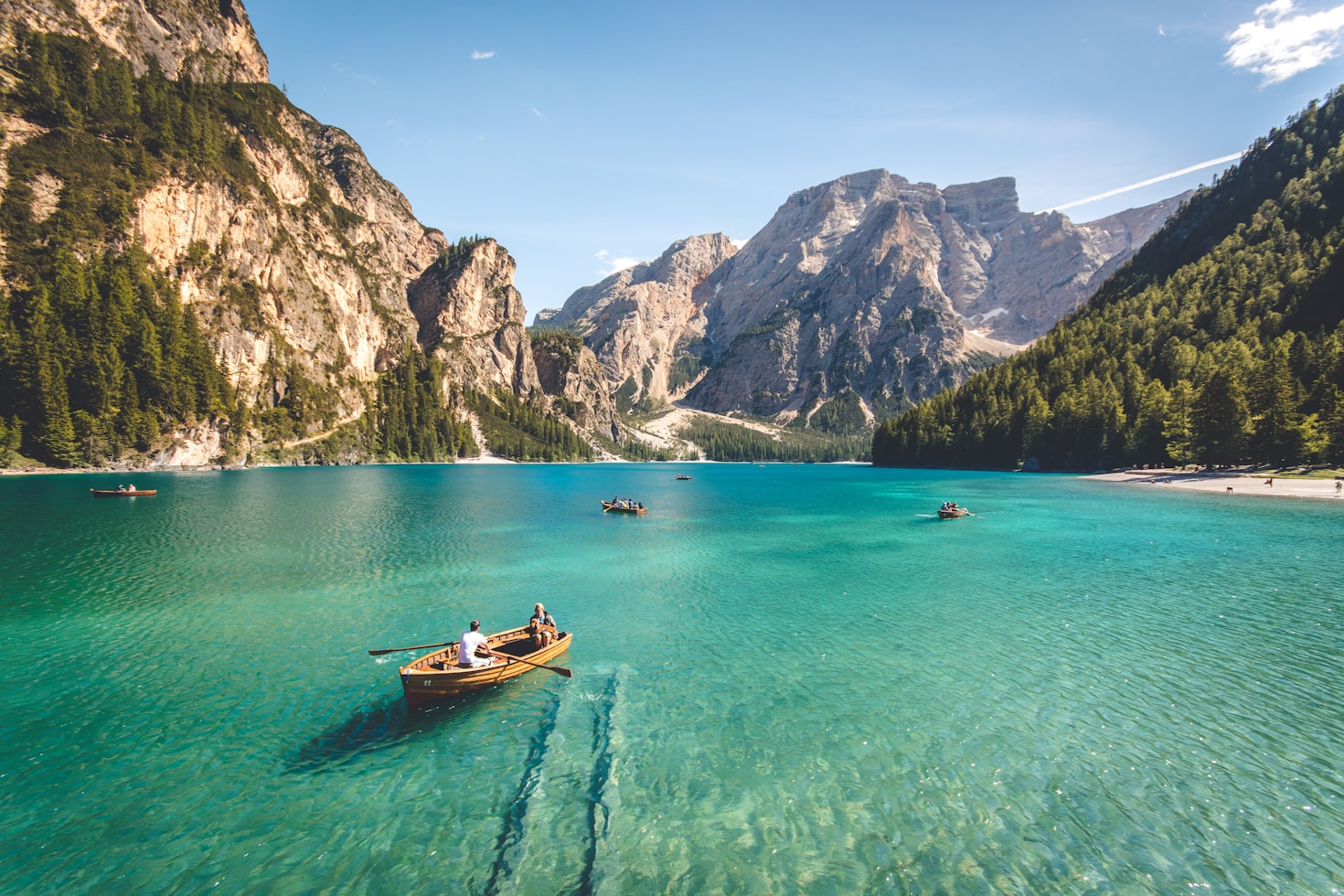
Freshwater is one of the most important resources on the planet, but it is also one of the easiest to take for granted. Rivers, lakes, wetlands, aquifers, and streams support drinking water, food production, wildlife, recreation, and local economies. When these systems are polluted, drained, overused, or poorly managed, the effects reach far beyond the water’s edge.
Freshwater conservation is not just about protecting rivers and lakes. It is about protecting the systems that communities, ecosystems, and future generations depend on.
Although water covers much of the Earth, only a small share is available as usable freshwater. That makes conservation especially important in places facing drought, population growth, agricultural demand, industrial pollution, and changing rainfall patterns. Even water-rich regions can run into trouble when wetlands are filled, runoff increases, groundwater is overdrawn, or contaminants enter local waterways faster than natural systems can recover.
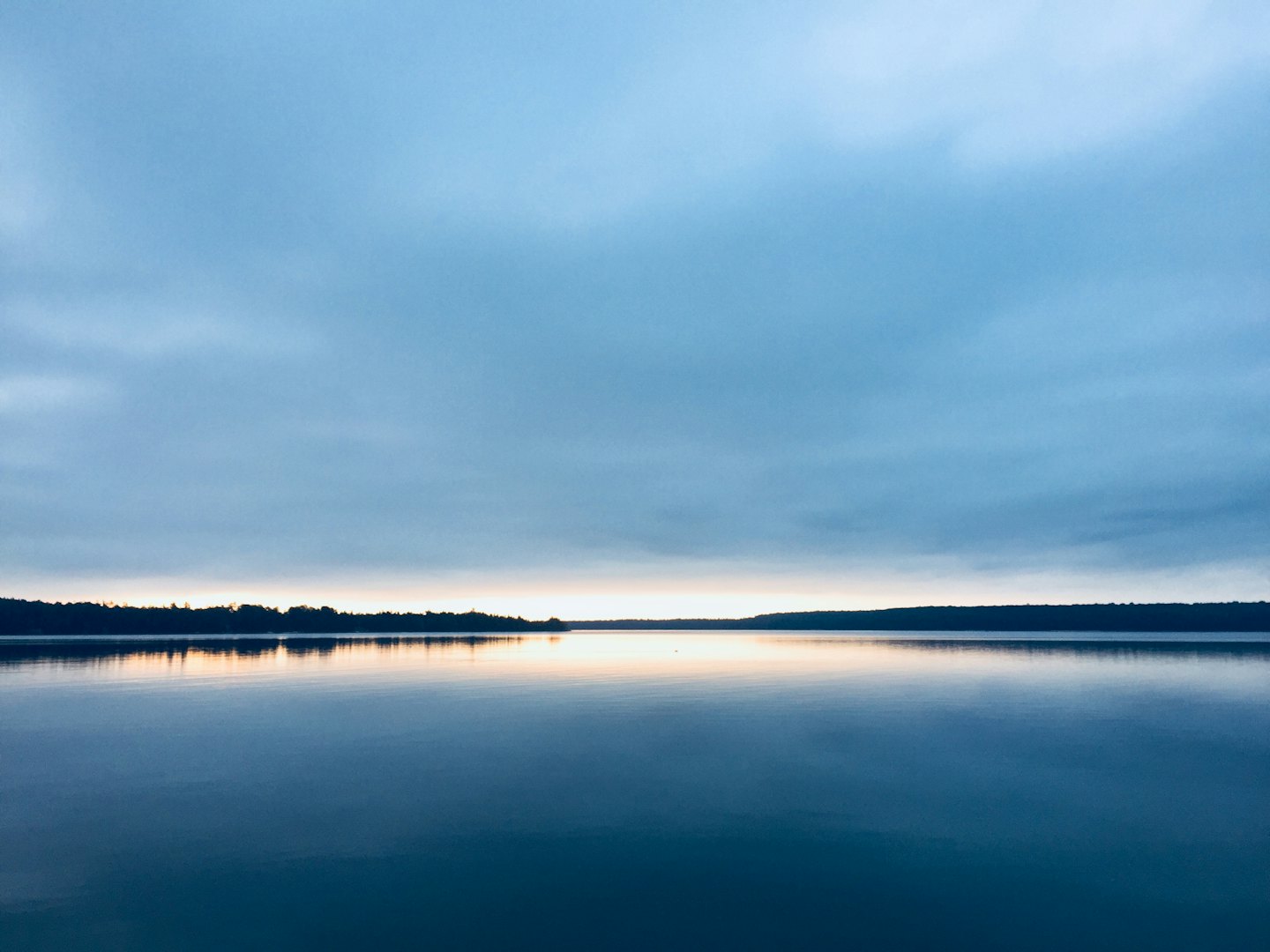
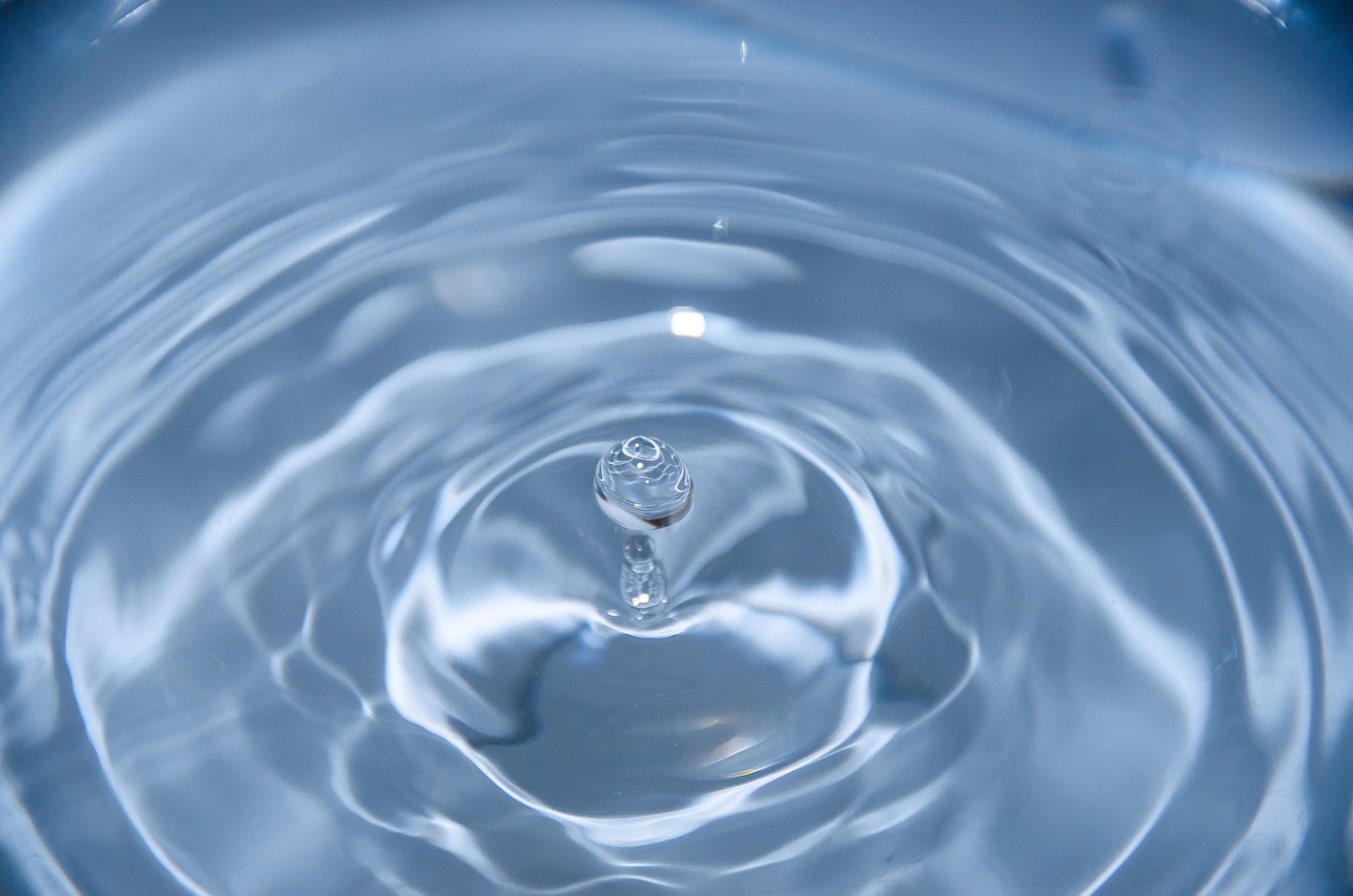
Conservation works best when it happens at both the local and watershed level. Simple actions like reducing fertilizer use, protecting streambanks, maintaining septic systems, planting native vegetation, limiting unnecessary water use, and preserving wetlands can reduce pressure on freshwater systems. Larger efforts, such as stormwater upgrades, agricultural best practices, groundwater monitoring, and habitat restoration, help protect water quality across entire regions.
Freshwater Protection Starts Locally
The global freshwater challenge can feel overwhelming, but many of the most effective solutions begin close to home. Every lawn, road, field, wetland, stream, and shoreline is part of a larger water system. When communities understand that connection, they can make better choices that protect clean water, support wildlife, and keep local watersheds healthier over time.
Leave a Reply