Connects watershed contamination sources directly to what ends up at the residential tap. Practical, educational, naturally bridges conservation content to residential water quality concerns.
No overlap with the Watershed Basics article since that covers how water moves through the landscape. This one covers what contaminants enter the system and why they matter for drinking water.
Drafting now. Mobile-first, short paragraphs, table, bullets, no em dashes, no AI tells.
What Gets Into Your Drinking Water and Where It Comes From
Most people think about water quality when something goes wrong.
A boil water advisory. A news story about contaminated wells. A glass of water that smells like chlorine or tastes like metal.
But water quality issues rarely appear without warning. They build slowly, upstream, often miles away from the tap where they eventually show up. Understanding where contamination comes from is the first step toward understanding how to address it.
The Two Main Sources of Water Contamination
Water quality problems generally fall into two categories.
| Type | Description | Examples |
|---|---|---|
| Point source | Contamination from a single identifiable location | Factory discharge pipe, sewage treatment plant outflow, industrial spill |
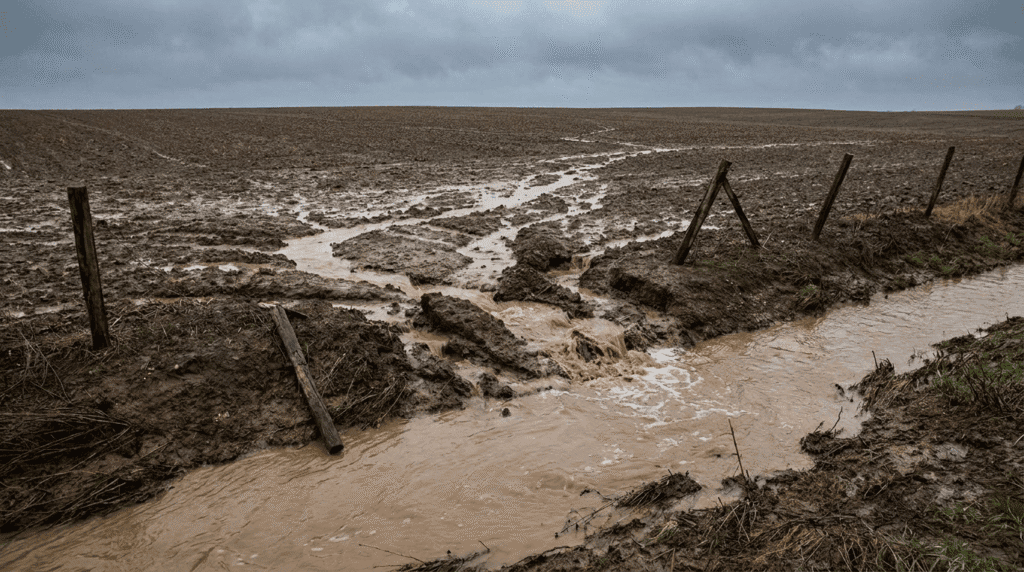
| Nonpoint source | Contamination from diffuse sources across the landscape | Agricultural runoff, urban stormwater, atmospheric deposition |
Point sources are easier to regulate because you can identify and monitor them directly. Nonpoint sources are harder because they come from everywhere and nowhere at the same time.
In the United States, nonpoint source pollution is the leading cause of water quality problems in lakes, rivers, and streams. It is largely a consequence of how land is used across entire watersheds.
The Most Common Contaminants and Where They Come From
Nutrients
Nitrogen and phosphorus are naturally present in water at low levels. At elevated levels they fuel algae blooms that deplete oxygen, kill fish, and produce toxins harmful to people and animals.
The primary sources are:
- Fertilizers applied to agricultural fields and lawns
- Animal waste from livestock operations
- Septic systems that are failing or too close to waterways
- Atmospheric deposition from fossil fuel combustion
Sediment
Eroded soil is the most common water quality pollutant by volume. Sediment clouds water, blocks sunlight that aquatic plants need, smothers fish spawning beds, and carries other pollutants including phosphorus and pesticides attached to soil particles.
Sources include construction sites, agricultural fields with exposed soil, stream bank erosion, and roads without adequate drainage management.
Bacteria and Pathogens
E. coli and other bacteria indicate fecal contamination. Sources include:
- Agricultural runoff from fields where manure was applied
- Failing septic systems
- Wildlife and pet waste
- Combined sewer overflows during heavy rain events
Chemical Contaminants
A broad category including pesticides, herbicides, industrial chemicals, pharmaceuticals, and emerging contaminants like PFAS.
PFAS, sometimes called forever chemicals, are particularly concerning because they do not break down in the environment and accumulate in living tissue. They enter watersheds from industrial sites, firefighting foam, and consumer products.
From Watershed to Tap
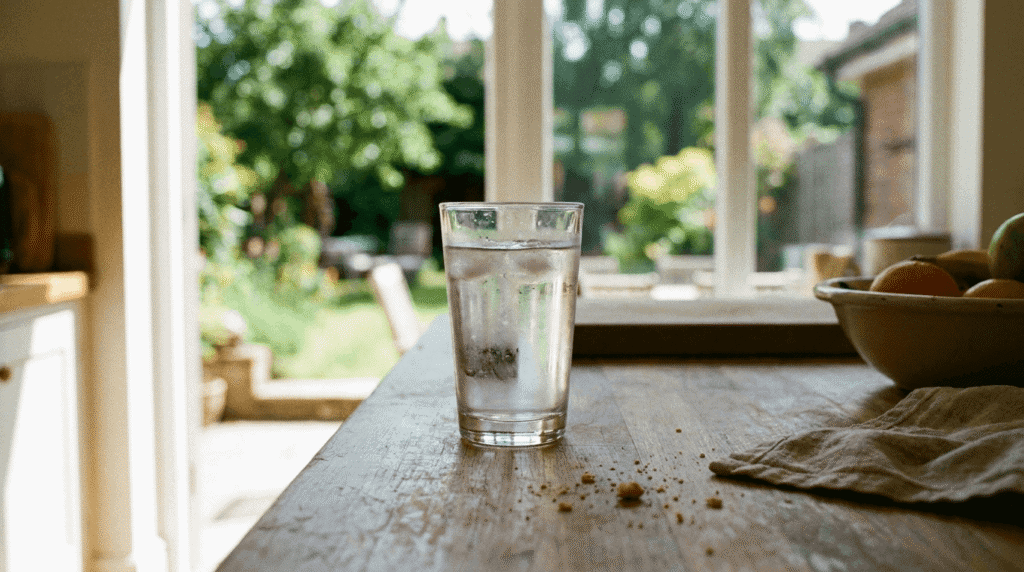
For households on municipal water the treatment plant is the last line of defense between watershed contamination and the tap.
Treatment plants remove many contaminants effectively. Bacteria, sediment, and some chemicals are reduced through filtration, chlorination, and other processes. But treatment has limits. Some emerging contaminants including certain PFAS compounds pass through conventional treatment at detectable levels. The EPA continues to update maximum contaminant levels as research identifies new concerns.
For households on private wells there is no treatment plant. Whatever enters the groundwater in the surrounding watershed can reach the well directly. Well owners are responsible for their own water testing and treatment.
Annual water testing is the only way to know what is actually in well water. A basic panel covering bacteria, nitrates, hardness, iron, and pH is a reasonable starting point. Additional testing for PFAS or other site-specific contaminants may be warranted depending on local land use.
What Watershed Protection Has to Do With Drinking Water
Protecting water quality at the watershed level is far more cost-effective than treating contamination after it reaches a water supply.
New York City avoided building a multi-billion dollar filtration plant by investing in watershed protection in the Catskills and Delaware watersheds that supply its drinking water. Keeping those watersheds healthy kept treatment costs manageable.
The connection between land use upstream and water quality downstream is direct and measurable. Reducing fertilizer application in a watershed reduces nutrient loading in the lake it drains to. Maintaining vegetated buffers along streams reduces sediment and bacteria reaching waterways. Protecting wetlands filters runoff before it enters the water supply.
What happens on the land determines what ends up in the water. That is the fundamental principle behind watershed-based water quality management.
Leave a Reply